Database / Movements
Movements

2000s–present
Post-conceptual pluralism spanning installation, painting, and beyond.

1840s – present
From documentary witness to conceptual proposition, photography has redefined what counts as art, what counts as evidence, and how images move through the world.

1960s–present
Time-based work where the artist's body and action are the medium.

1905–1930s
Emotional distortion and subjective intensity

1960s – present
Conceptual art placed the idea above the object. The artwork could be a set of instructions, a photograph, a text, or nothing material at all — what mattered was the proposition.

1860s–1890s
Light, atmosphere, and modern life

1920s–1950s
Dream logic and the unconscious

1600s–1750s
Drama, movement, and grandeur in painting and sculpture.

1880s–1910s
Expressive color and form beyond Impressionism

ongoing
A persistent return to the human body, face, and social world as the primary subject of painting and drawing — resisting both pure abstraction and photographic literalism.

1910s–present
Non-representational art prioritizing form, color, and gesture.

1880s–1910s
Myth, dream, and the inner world rendered in visual allegory.

1400s–1600s
Classical revival, humanism, and mastery of perspective.

1907–1920s
Fragmented perspective and geometric form

1950s–1970s
Mass culture, media, and surface

1780s–1850s
Emotion, nature, and the sublime over classical order.

1910s–present
Non-representational art built from geometric forms and color.

1840s–1880s
Truthful, unsentimental depiction of everyday life.

1960s – 1970s
Minimalism stripped art to its essential formal properties: geometry, repetition, industrial materials. It rejected metaphor and personal expression in favor of literal presence and spatial encounter.

1890s–1910s
Ornamental, organic design bridging fine and applied art.

1913–1940s
Art as social instrument built from industrial materials.

1760s–1850s
A movement that drew inspiration from the art and culture of ancient Greece and Rome. Emerged as a reaction against the Rococo style, emphasizing order, clarity, and moral virtue. Key figures: Jacques-Louis David, Antonio Canova, Jean-Auguste-Dominique Ingres.

1940s – 1960s
Born in postwar New York, Abstract Expressionism elevated gesture, scale, and raw emotional force above representation. Artists treated the canvas as an arena for action, chance, and psychological depth.

1909–1944
Speed, technology, and the dynamism of modern life.

1960s–present
Three-dimensional works designed to transform the perception of a space. Site-specific and often immersive, installation art emerged from minimalism and conceptual art. Key figures: Bruce Nauman, Ilya Kabakov, Ann Hamilton, Olafur Eliasson.

1980s – present
Rooted in graffiti culture and urban environments, street art evolved into a global visual language that moves between public walls, gallery exhibitions, and commercial crossover.
1950s – 1970s
A quieter counterpart to gestural abstraction, Color Field painters worked with vast, luminous planes of color — seeking the sublime through atmospheric saturation and perceptual immersion.

1920s–1960s
Art addressing social and political conditions of the working class.
1919–1933
Integration of fine art, craft, and industrial design.

1730s–1770s
Playful elegance, pastel color, and decorative lightness.

1990s – present
New Media art explores digital tools, networks, software, and electronic systems as both medium and subject — often blurring the boundaries between art, technology, and everyday infrastructure.

1920s–1940s
Geometric luxury, bold symmetry, and machine-age elegance.

1916–1920s
Anti-art provocations, chance, and absurdist collage.

1960s–present
Art addressing gender, identity, and the politics of representation.
1960s – present
Artists turned the museum, gallery, and market itself into the subject — exposing the hidden power structures, economic interests, and ideological assumptions that frame how art is displayed and valued.
1960s–1970s
Optical illusion and perceptual instability through pattern.

1950s–1970s
Movement as medium — mechanized, wind-driven, or viewer-activated.
1820s–1880s
America's first major art movement, centered on landscape painting that celebrated the natural beauty of the Hudson River Valley and the American wilderness. Characterized by luminous, detailed depictions of nature. Key figures: Thomas Cole, Frederic Edwin Church, Albert Bierstadt.

1960s–present
Art using video technology as a medium. Pioneered by Nam June Paik in the 1960s, video art encompasses single-channel works, multi-channel installations, and performance documentation. A major force in contemporary art since the 1980s.
1960s – present
Art that uses natural landscapes and materials as medium. Also known as Earth Art or Earthworks. Emerged in the late 1960s as artists moved outside gallery spaces to work directly with land, rocks, soil, and organic materials. Key works include Robert Smithson's Spiral Jetty and Walter De Maria's Lightning Field.

1880s–present
Art created by artists without formal academic training, characterized by a childlike simplicity of form and color. Naive artists paint with an intuitive directness that bypasses conventional Western techniques.
1960s–present
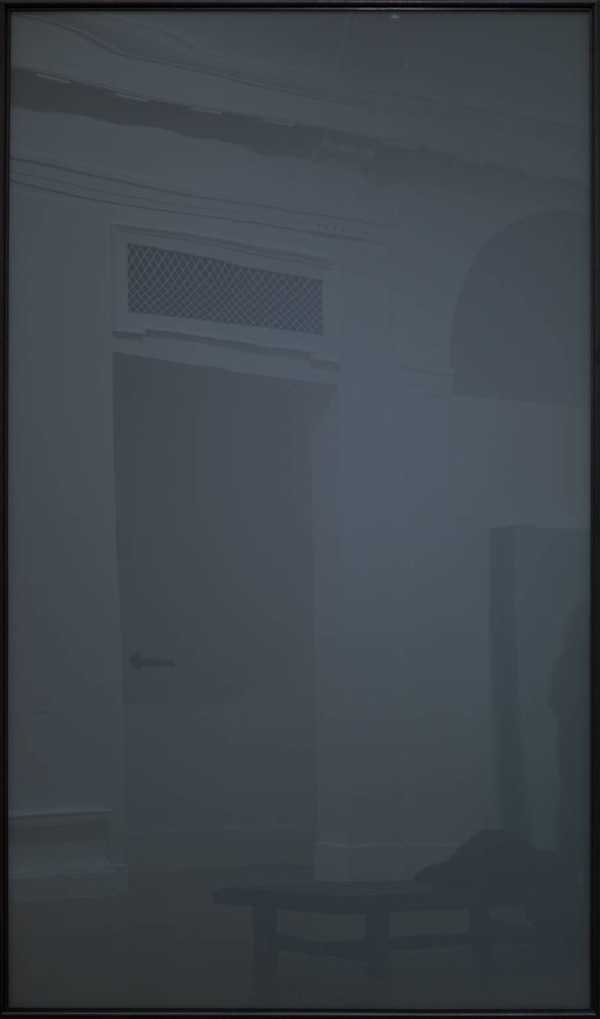
Painting or sculpture of extreme photographic fidelity.

1904–1910s
Bold, non-naturalistic color as pure expressive force.
1880s–1910s
A technique of painting in which small, distinct dots of color are applied in patterns to form an image. Developed by Georges Seurat and Paul Signac as an extension of Impressionism. Also known as Divisionism or Neo-Impressionism.

Geometric abstraction, primary color, and universal order

1960s–1970s
A broad tendency in abstract painting that emphasized free, gestural brushwork, luminous color, and emotional expressiveness. Distinct from both hard-edge painting and Abstract Expressionism.

1960s – 1970s
Emerging in Italy, Arte Povera embraced humble, 'poor' materials — earth, rope, wood, rags — to resist the commodification of art and reconnect with elemental time and labor.

1900s–1910s
An American realist art movement of the early 20th century, known for depicting gritty urban scenes of everyday life. Centered in New York, the group rejected academic painting for raw, documentary-style scenes of city streets. Key figures: Robert Henri, John Sloan, George Bellows.

1960s–1970s
Anti-art happenings blending music, performance, and everyday objects.

1980s
A fierce return to figuration and painterly excess, Neo-Expressionism reclaimed myth, history, and raw feeling after a decade of Conceptual and Minimal restraint.

1970s–1980s
A movement that emerged in New York in the mid-1970s as a reaction against minimalism, embracing decorative, ornamental, and craft-based elements. Associated with feminist art politics. Key figures: Miriam Schapiro, Robert Kushner, Joyce Kozloff.
1970s–present
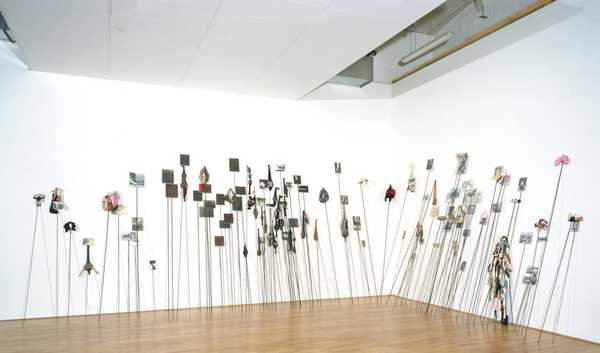
Art produced by self-taught artists outside the mainstream art world — including those with mental illness, prisoners, and others on the margins of society. Term coined by art critic Roger Cardinal in 1972 as an English equivalent of Jean Dubuffet's Art Brut.

1920s–1930s
A cultural, social, and artistic explosion centered in Harlem, New York. Represented a new cultural identity for African Americans, producing major figures in visual art, literature, and music. Key artists: Aaron Douglas, Jacob Lawrence, Augusta Savage, Romare Bearden.

1880s–1930s
A Western art movement that drew inspiration from non-Western and prehistoric art forms. Associated with artists like Picasso, Gauguin, and Matisse who incorporated African, Oceanic, and indigenous American visual traditions into modernist work.

1948–1951
An avant-garde movement named for the home cities of its founders — Copenhagen, Brussels, Amsterdam. Characterized by spontaneous, expressive brushwork and imagery drawn from children's art, folk art, and mythology. Key figures: Asger Jorn, Karel Appel, Constant.

1960s
A French art movement founded by critic Pierre Restany and artist Yves Klein in 1960. Focused on incorporating everyday objects and urban detritus into art. Related to but distinct from American Pop Art. Key figures: Yves Klein, Jean Tinguely, Niki de Saint Phalle, Arman.

1990s–present
An expanded field of artistic practice that prioritizes human interaction, community engagement, and social change over the production of art objects. Artists work in collaboration with communities on real-world problems.

1913–1920s
A Russian abstract art movement founded by Kazimir Malevich that focused on basic geometric forms — circles, squares, lines, rectangles — painted in a limited range of colors. Sought to express pure artistic feeling rather than depict the visual world.

1980s–2000s
A loosely affiliated group of British artists who came to prominence in the late 1980s and 1990s, known for provocative, conceptually-driven work using unconventional materials. Associated with Charles Saatchi. Key figures: Damien Hirst, Tracey Emin, Chris Ofili, Rachel Whiteread.

1950s–1960s
A style of abstract painting characterized by areas of flat color with crisp, precise edges. Developed as a reaction against the gestural quality of Abstract Expressionism. Key figures: Ellsworth Kelly, Frank Stella, Kenneth Noland.

1950s–1960s
A movement that revived Dada's anti-art sensibility in the post-war era, incorporating everyday objects and rejecting abstract expressionism's seriousness. Key figures: Robert Rauschenberg, Jasper Johns, John Cage.

1990s – present
A broad, ongoing practice in which the conceptual impulse has absorbed performance, identity, institutional critique, and digital culture into hybrid, idea-led works.

1100s–1400s
Medieval European art characterized by pointed arches, ribbed vaults, and large windows in architecture, and by elongated, expressive figures in painting and sculpture. Developed from Romanesque art and preceded the Renaissance.

1520s–1600
Elongated form and artifice beyond Renaissance balance.

1960s–present
A genre of painting based on using photographs as reference material to create paintings that resemble photographs. Emerged in the late 1960s as a development from Pop Art, distinct from Hyperrealism in its more literal fidelity to photographic source.

1930s–1980s
The official art doctrine of the Soviet Union and other communist states from the 1930s onward. Required art to depict socialist values and the struggles of the working class in a realistic style accessible to the masses. Distinct from Social Realism of Western democracies.

1970s–1990s
A broad movement in art, architecture, and criticism that reacted against modernism's principles. Characterized by irony, pastiche, appropriation, and the rejection of grand narratives. Blurred boundaries between high and low culture.

1970s – present
Appropriation artists copy, sample, and recontextualize existing images and objects, interrogating originality, authorship, and the circulation of visual culture.

1980s–present
Art that foregrounds the social and political dimensions of identity — including race, gender, sexuality, class, and disability. Emerged from postmodern feminism and multiculturalism in the 1980s and 1990s.

1920s–1970s
A major artistic movement that emerged after the Mexican Revolution, characterized by large-scale public murals depicting Mexican history, culture, and social struggles. Key figures: Diego Rivera, Jose Clemente Orozco, David Alfaro Siqueiros.

1990s–2000s
A group of figurative painters associated with the Hochschule für Grafik und Buchkunst in Leipzig, Germany. Known for large-scale figurative paintings that blend realism with conceptual concerns. Key figures include Neo Rauch and Matthias Weischer.

1990s–present
A postmodern art movement founded by Takashi Murakami that blends fine art with manga and anime aesthetics. Critiques Japanese consumer culture through flattened imagery and glossy surfaces. Key figures: Takashi Murakami, Yoshitomo Nara.

1980s–present
Art made or presented using digital technology. Encompasses computer-generated imagery, net art, digital installation, and NFT art. The boundary between digital and physical art has increasingly dissolved.

1960s–1970s
A Japanese art movement (meaning "School of Things") that explored the relationship between natural and industrial materials and the spaces between them. Influenced by Minimalism and Arte Povera. Key figure: Lee Ufan.

1954–1972
A Japanese avant-garde group founded by Jiro Yoshihara in 1954. Known for radical performances and happenings that emphasized the physical process of making art and destroyed conventional notions of painting. Predated Fluxus and Happenings in the West.
1917–1930s
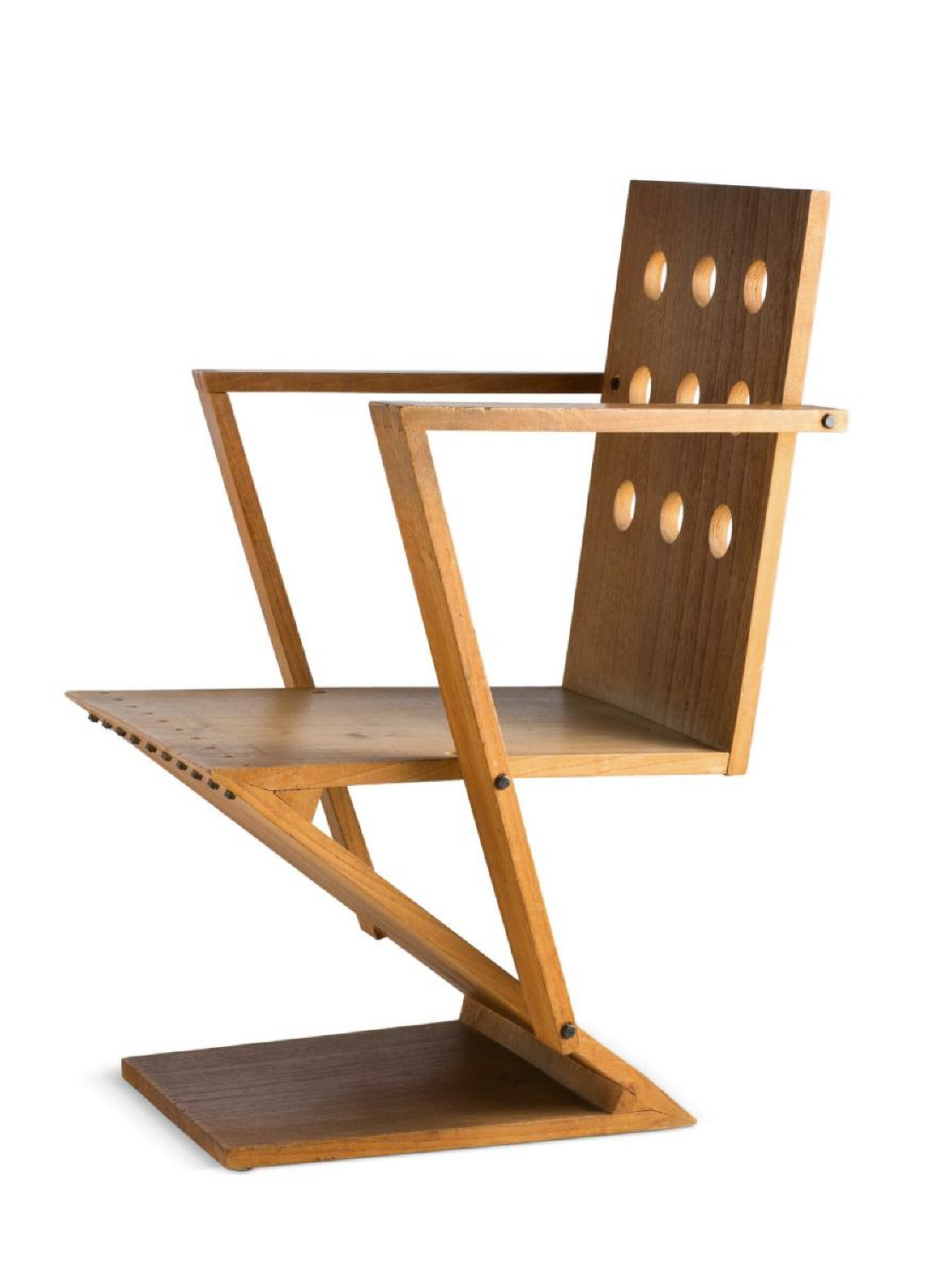
The abstract art theory developed by Piet Mondrian and the De Stijl movement, reducing art to pure abstraction using only horizontal and vertical lines and primary colors plus black and white.

2000s – present
Post-Internet art addresses a world permanently shaped by networked image circulation — work made and received by people who have grown up online, for whom the internet is ambient rather than novel.
1990s–2000s
A tendency in contemporary art in which the work takes as its theoretical and practical point of departure the whole of human relations and their social context, rather than an independent private space. Term coined by curator Nicolas Bourriaud.

1966–1972
A French art movement that deconstructed the elements of painting — canvas, stretcher, pigment — as independent subjects of investigation. Related to American Minimalism and Conceptualism.

1980s
A French neo-expressionist movement characterized by bright colors, graffiti-like marks, and cartoon imagery. Emerged in Paris in the early 1980s alongside the American Neo-Expressionist movement. Key figures: Jean-Charles Blais, Herve Di Rosa.

1980s
Short for Neo-Geometric Conceptualism. An art movement of the mid-1980s that employed abstract, geometric forms in a conceptual framework, often incorporating commodity culture. Key figures include Jeff Koons, Haim Steinbach, and Ashley Bickerton.

1970s–1980s
A loosely affiliated group of New York artists who critically examined image-making and media culture through appropriation and photography. Key figures: Cindy Sherman, Richard Prince, Barbara Kruger, Sherrie Levine, Louise Lawler.
1990s–present
A cultural and artistic movement that combines elements of science fiction, historical fiction, fantasy, and Afrocentricity with non-Western beliefs to critique the present-day dilemmas of Black people and to interrogate and re-examine historical events.

1000s–1200s
Medieval European architectural and artistic style preceding Gothic, characterized by thick walls, round arches, and sturdy pillars. Known for decorative sculpture and illuminated manuscripts.
2010s–present
Artists emerging in the current decade whose work commands significant auction and gallery attention. Characterized by figuration, bold color, and personal narrative, often by artists under 40 whose market has risen dramatically.
1950s–present
The diverse modernist art practices of African artists across the continent and diaspora from independence movements through the present. Encompasses the Zaria Art Society in Nigeria, the Oshogbo School, and contemporary practices.
1940s–present
Art created outside conventional culture and training.
330–1453
Art of the Eastern Roman Empire characterized by flat, hierarchical figures, gold backgrounds, and religious iconography. Centered in Constantinople, it influenced art from Eastern Europe to Russia and the Middle East.
1940s–1970s
A diverse range of abstract practices across Latin America including Concrete Art in Argentina and Brazil, Venezuelan Kinetic Art, and Colombian Abstraction. Key figures: Carlos Cruz-Diez, Jesus Soto, Lygia Clark, Helio Oiticica.
1990s–2000s
Artworks that take as their theoretical point of departure human relations and their social context. Often involves creating environments where viewers become participants. Related to but distinct from Social Practice. Key figure: Rirkrit Tiravanija.
2000s–present
A philosophical and artistic movement that challenges anthropocentric worldviews, drawing on object-oriented ontology and new materialism to explore the agency of non-human entities.
1970s–1980s
An Italian art movement of the late 1970s and 1980s that rejected conceptualism in favor of a return to painting, myth, and emotion. Coined by critic Achille Bonito Oliva. Key figures include Francesco Clemente, Enzo Cucchi, and Sandro Chia.
2010s
A critical term coined by art critic Walter Robinson for a wave of abstract paintings characterized by formulaic process-based mark-making that became dominant in the art market around 2013–2015. Associated with rapid market speculation.