
Paris Street; Rainy Day
<p>This complex intersection, just minutes away from the Saint-Lazare train station, represents in microcosm the changing urban milieu of late nineteenth-century Paris. Gustave Caillebotte grew up near this district when it was a relatively unsettled hill with narrow, crooked streets. As part of a new city plan designed by Baron Georges-Eugène Haussmann, these streets were relaid and their buildings razed during the artist’s lifetime. In this monumental urban view, which measures almost seven by ten feet and is considered the artist’s masterpiece, Caillebotte strikingly captured a vast, stark modernity, complete with life-size figures strolling in the foreground and wearing the latest fashions. The painting’s highly crafted surface, rigorous perspective, and grand scale pleased Parisian audiences accustomed to the academic aesthetic of the official Salon. On the other hand, its asymmetrical composition, unusually cropped forms, rain-washed mood, and candidly contemporary subject stimulated a more radical sensibility. For these reasons, the painting dominated the celebrated Impressionist exhibition of 1877, largely organized by the artist himself. In many ways, Caillebotte’s frozen poetry of the Parisian bourgeoisie prefigures Georges Seurat’s luminous <em>Sunday on La Grande Jatte—1884</em>, painted less than a decade later.</p>
Catalogue
- Year
- 1877
- Medium
- Oil on canvas
- Dimensions
- 212.2 × 276.2 cm (83 1/2 × 108 3/4 in.); Framed: 241.3 × 306.1 × 10.2 cm (95 × 120 1/2 × 4 in.)
- Collection
- Art Institute of Chicago
- Artist
- Gustave Caillebotte
Artist

Painting
Gustave Caillebotte was a leading figure of the Impressionist movement, however his approach to painting at times retained a Realist aesthetic and in certain qualities predated the painterly experimentation of the Post-Impressionists. Influenced by the contemporary advent and rise of photography, Caillebotte produced innovative compositions that presented snapshots of everyday life, with cropped figures and expanded perspectives. His interest in Japanese prints led him to experiment with flattened forms and tilted vantage points, which pushed forward the avant-garde aesthetic. His paintings serve as Impressionist documents of the broadened boulevards and open views of Paris after the Haussmannization project completed in 1870.
Full artist profile →More
More by Gustave Caillebotte
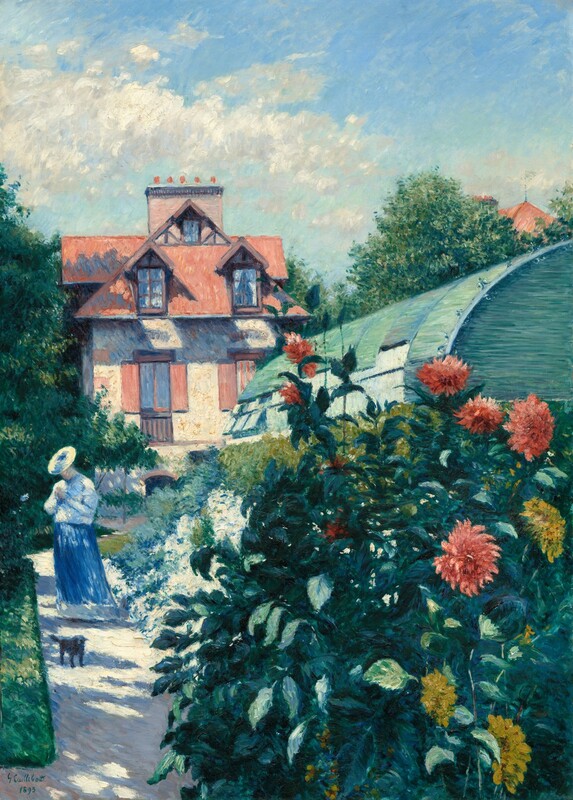
Dahlias, Garden at Petit Gennevilliers
1893 · oil on canvas
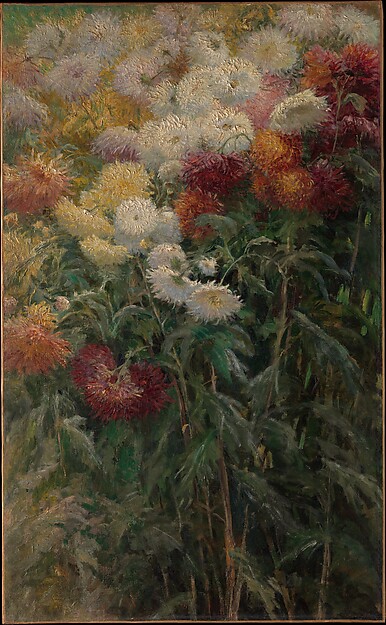
Chrysanthemums in the Garden at Petit-Gennevilliers
1893 · Oil on canvas
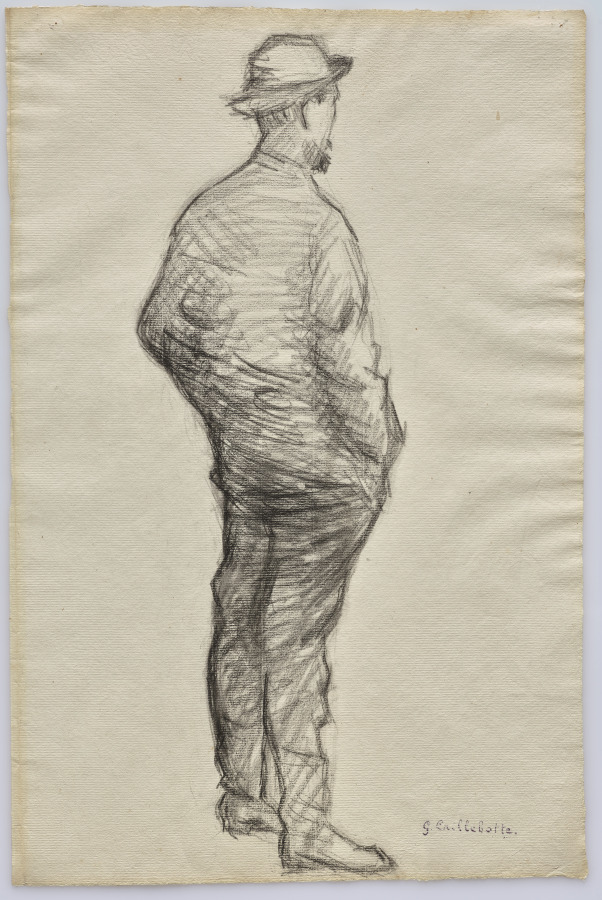
Study of a Man with Hands in His Pockets
1893 · black chalk on Arches modern laid paper
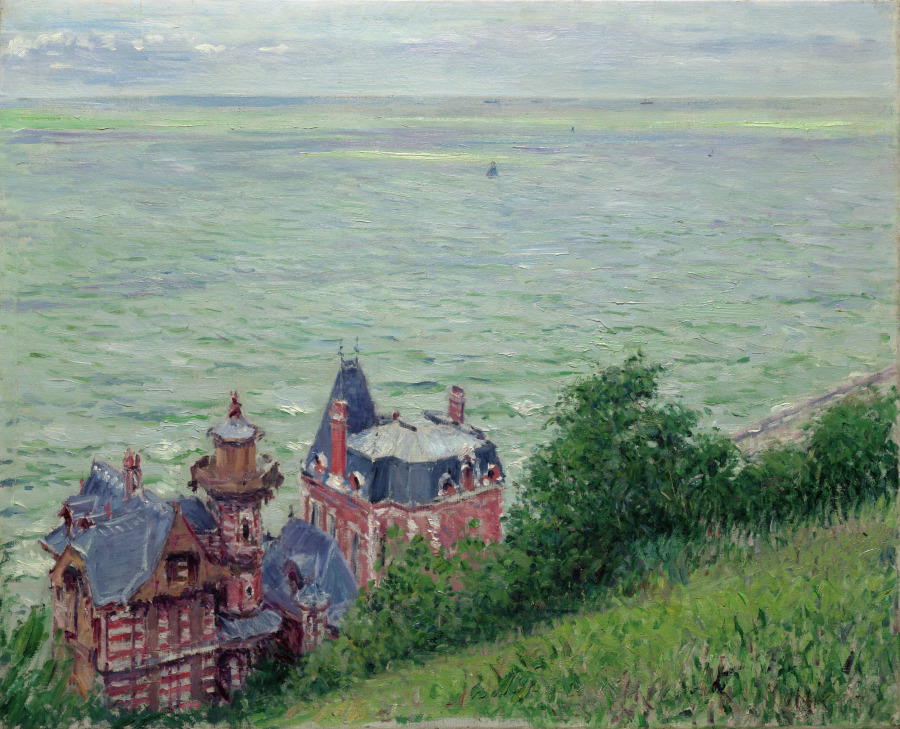
Villas at Trouville
1884 · oil on canvas

Sketchbook
1883 · Sketchbook containing 40 drawings: 30 in graphite, 7 in watercolor over graphite, and 3 in graphite and brush and gray wash, on 40 sheets of cream wove paper bound in brown cloth
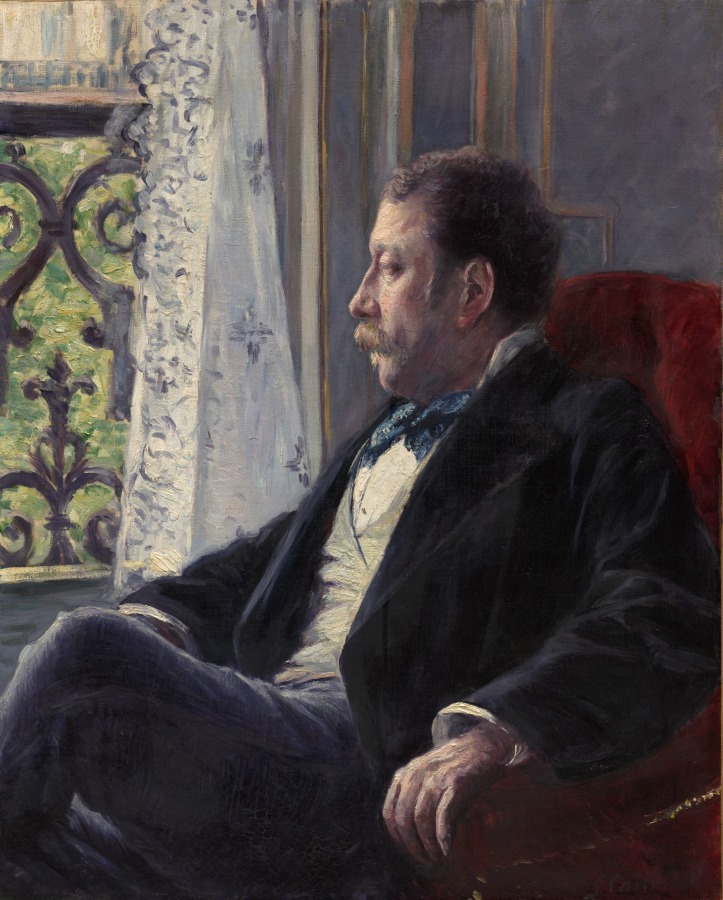
Portrait of a Man
1880 · oil on canvas
Record
Verified by WattsOS- Artist
- Gustave Caillebotte
- Year
- 1877
- Medium
- Oil on canvas
- Dimensions
- 212.2 × 276.2 cm (83 1/2 × 108 3/4 in.); Framed: 241.3 × 306.1 × 10.2 cm (95 × 120 1/2 × 4 in.)
- Watts ID
- WW-1877-013600
Source
- Collection
- Art Institute of Chicago
- Source
- aic
- Reference
- View at source
- Status
- verified