
The Reward of Cruelty
<p>In the conclusion to the print series <em>Four Stages of Cruelty</em>, the corpse of the murderer Tom Nero is dissected in an anatomy theater. At this time the bodies of criminals were the main source of cadavers; here Hogarth pointedly left the hangman’s noose around Nero’s neck. The dog gnawing on an discarded organ, possibly the heart, refers to the character’s unseemly torture of a dog in the first print of the series.Hogarth commissioned this work and <em>Cruelty in Perfection</em> in a rare foray into the woodcut medium, but abandoned the experiment after only two prints; he published the complete series as smaller engravings a year later.</p>
Catalogue
- Year
- 1750
- Dimensions
- Image/block: 45.5 × 38.5 cm (17 15/16 × 15 3/16 in.); Sheet: 52 × 42.4 cm (20 1/2 × 16 3/4 in.)
- Collection
- Art Institute of Chicago
- Artist
- William Hogarth
Artist

Painting
William Hogarth was an English painter, engraver, satirist, cartoonist and writer. His work ranges from realistic portraiture to comic strip-like series of pictures called "modern moral subjects", and he is perhaps best known for his series A Harlot's Progress, A Rake's Progress and Marriage A-la-Mode. Familiarity with his work is so widespread that satirical political illustrations in this style are often referred to as "Hogarthian".
Full artist profile →More
More by William Hogarth
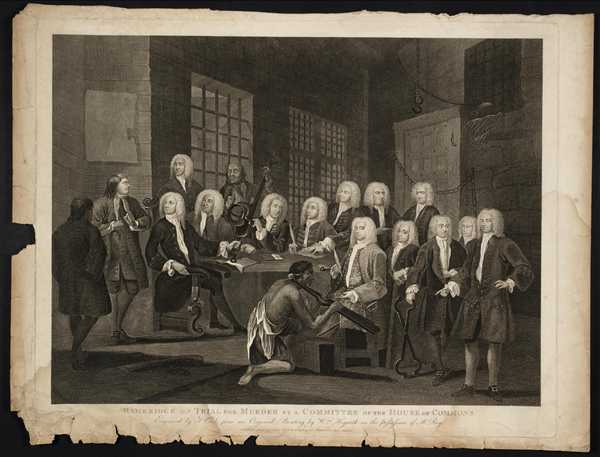
Bambridge on Trial for Murder by a Committee of the House of Commons, engraved by Thomas Cook
1803 · Engraving on paper
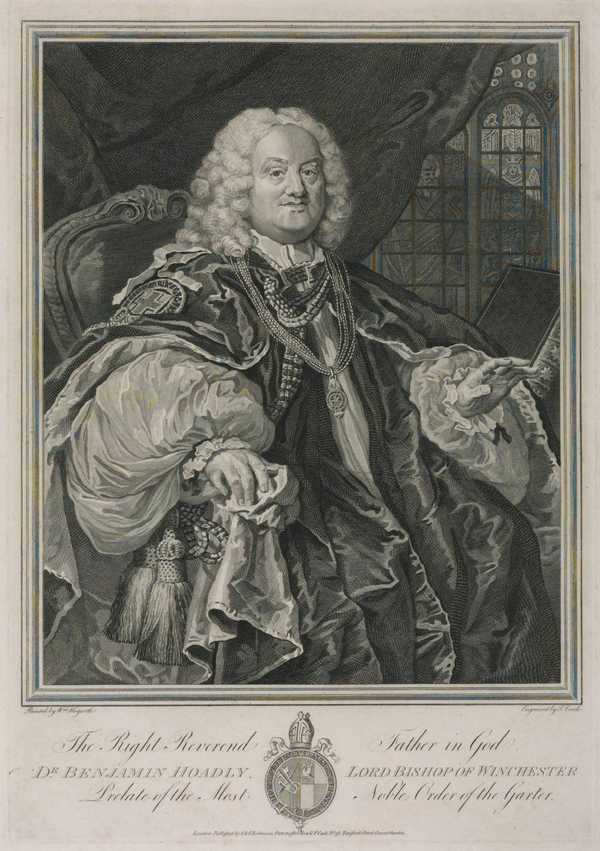
Dr Benjamin Hoadly, Bishop of Winchester, engraved by Thomas Cook
1800 · Engraving on paper
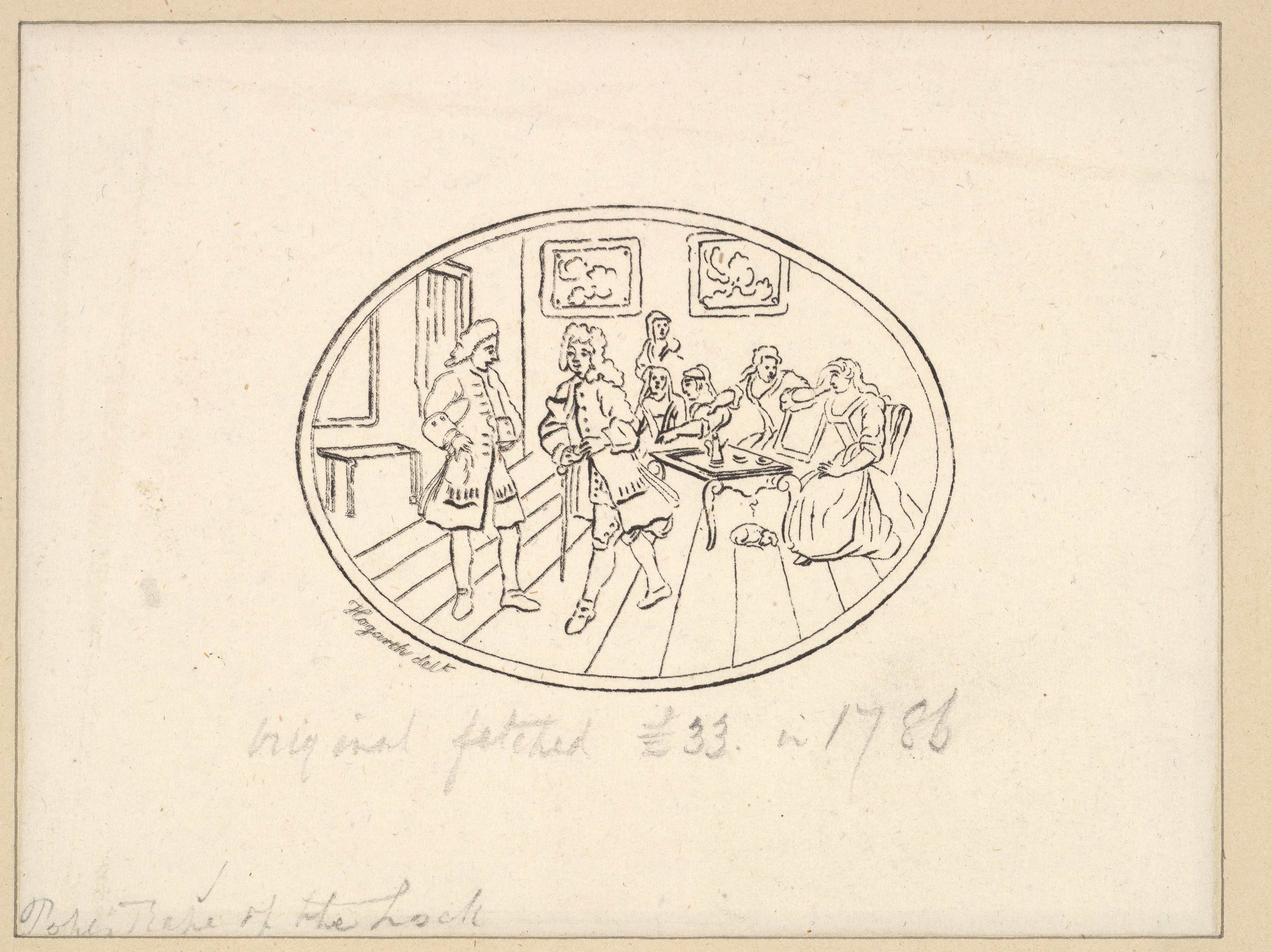
The Rape of the Lock
1800 · Lithographed copy of an engraving
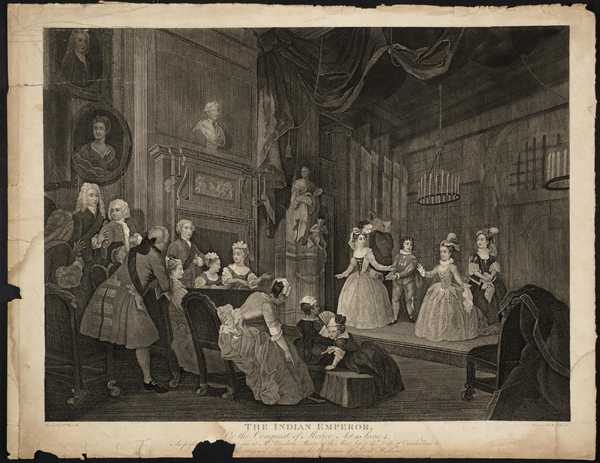
The Indian Emperor, engraved by Robert Dodd
1792 · Engraving on paper
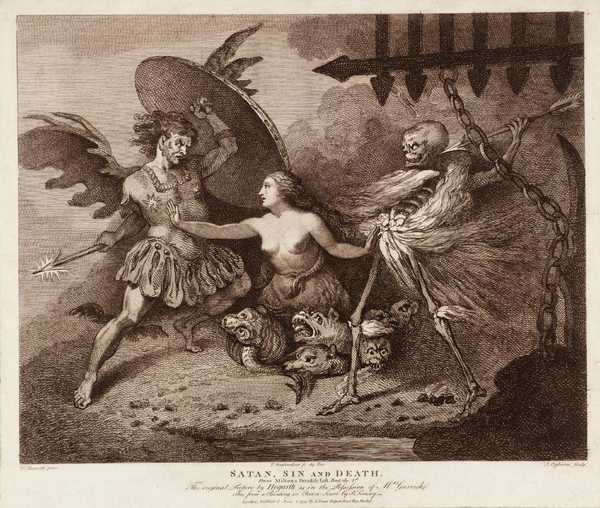
Satan, Sin and Death, engraved by Thomas Rowlandson and John Ogbourne after T00790
1792 · Etching and engraving on paper
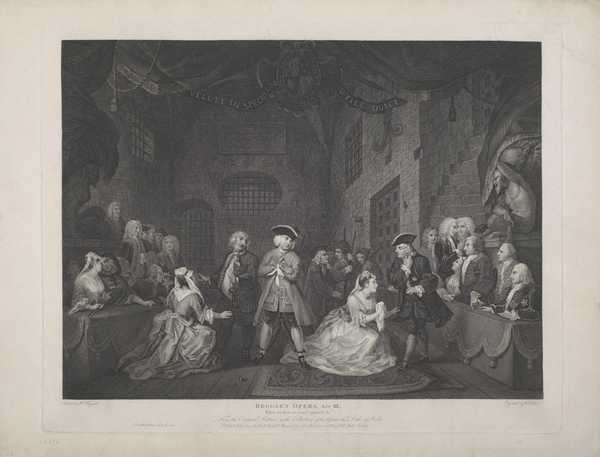
Beggar’s Opera, Act III, engraved by William Blake
1790 · Engraving on paper
Record
Verified by WattsOS- Artist
- William Hogarth
- Year
- 1750
- Dimensions
- Image/block: 45.5 × 38.5 cm (17 15/16 × 15 3/16 in.); Sheet: 52 × 42.4 cm (20 1/2 × 16 3/4 in.)
- Watts ID
- WW-1750-111359
Source
- Collection
- Art Institute of Chicago
- Source
- aic
- Reference
- View at source
- Status
- verified